Most UFC Wins in a Single Year

31
Urijah Faber
Urijah Faber in 20134 events
4 WINS
32
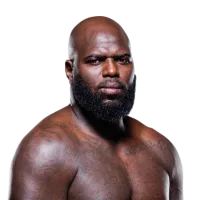
Jairzinho Rozenstruik
Jairzinho Rozenstruik in 20194 events
4 WINS
33
Thiago Santos
Thiago Santos in 20184 events
4 WINS
34
Matt Brown
Matt Brown in 20124 events
4 WINS
35
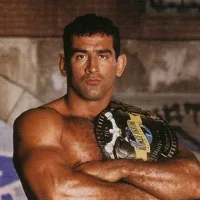
Marco Ruas
Marco Ruas in 19952 events
4 WINS
36
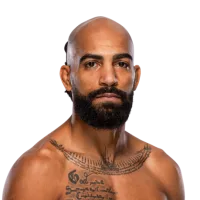
Melquizael Costa
Melquizael Costa in 20254 events
4 WINS
37
Marcin Tybura
Marcin Tybura in 20204 events
4 WINS
38
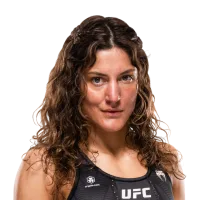
Loopy Godinez
Loopy Godinez in 20234 events
4 WINS
Advertisement
39
Charles Johnson
Charles Johnson in 20244 events
4 WINS
40
Islam Makhachev
Islam Makhachev in 20213 events
3 WINS
41
Georges St-Pierre
Georges St-Pierre in 20053 events
3 WINS
42
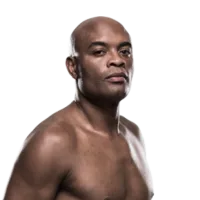
Anderson Silva
Anderson Silva in 2007, 20083 events each
3 WINS
Advertisement
43
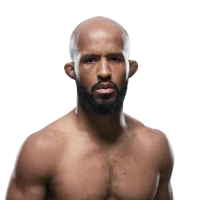
Demetrious Johnson
Demetrious Johnson in 20133 events
3 WINS
44
Amanda Nunes
Amanda Nunes in 20163 events
3 WINS
45
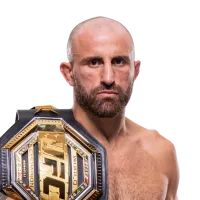
Alexander Volkanovski
Alexander Volkanovski in 20183 events
3 WINS

Your move

2026 Stats

About Most UFC Wins in a Single Year

Each fighter's best calendar year - and the number of events those wins were spread across

This leaderboard ranks UFC fighters by the most wins they recorded in a single calendar year. Each fighter appears once, on their best year — and where they tied that best in more than one year, the caption lists every one of them.

The 1990s are not comparable, and they are not hidden

The top of this board belongs to 1994–1997 for one reason: the early UFC ran one-night tournaments. Don Frye's 9 wins in 1996 came from four appearances — three at UFC 8 in February, one at UFC 9, two at UFC 10 and three at Ultimate Ultimate '96 in December. Royce Gracie's 8 in 1994 came from three, including four wins in a single night at UFC 2. Dan Severn needed two nights for his 6 in 1995. Further down the board, every one of Patrick Smith's 3 wins in 1994 came on the same night.

None of it is filtered out, because all of it happened and the format asked something of those fighters that the modern one does not. But the figures are not the same achievement as a modern schedule, so the board says so on every row rather than letting the ranking imply otherwise: the caption gives the number of events the year's wins were spread across. Frye's 9 sit across 4 events. Kevin Holland's 5 in 2020 sit across 5.

The modern record is five

Since the one-night tournaments ended — the last fighter to win twice on the same card was Kenichi Yamamoto at UFC 23 in November 1999 — no one has won more than five UFC bouts in a calendar year. Three fighters have managed five: Roger Huerta in 2007, Neil Magny in 2014 and Kevin Holland in 2020. A four-win year is rare but still reachable.

What counts

UFC bouts only, and only wins: draws and no-contests have no winner and are not counted, and nothing from outside the promotion is included. Fights are dated by the event, so a fighter's calendar year can look different from the run they would describe as their best. A fighter needs a best year of at least three wins to qualify, and this board shows the top 50; level fighters are listed in the order they first reached that figure. For the year-by-year picture from the other side, see most UFC fights and busiest fighters.

Frequently Asked Questions

Why do fighters from the 1990s lead this board?
Because the early UFC ran one-night tournaments. A fighter entered an eight-man bracket in the evening and could leave the building with three wins, so a single card could do what a modern fighter needs most of a year to do. Don Frye's 9 wins in 1996 came from four appearances, and Royce Gracie won four bouts in one night at UFC 2 in March 1994 — still the record for a single event. The caption under each name gives the number of events that year's wins were spread across, which is the quickest way to tell the two eras apart.
What is the modern record for wins in a calendar year?
Five. Roger Huerta did it in 2007, Neil Magny in 2014 and Kevin Holland in 2020, and in every one of those years the five wins came on five separate cards. Nobody has won more than five in a year since the UFC stopped running one-night tournaments — the last fighter to win twice on the same card was Kenichi Yamamoto at UFC 23 in November 1999.
Why not just leave the tournament years off the board?
Because those wins happened, against the opposition the format put in front of them, on the same night and often with no time to recover between bouts. Deleting them would make the leaderboard tidier and less true. The board keeps them, ranks them honestly, and puts the event count on the row so the comparison is never hidden.
Why does one fighter show more than one year?
Because they tied their own best. This board is one row per fighter, showing their single best calendar year, so a fighter who hit that same number in several years has every one of them listed in the caption. Donald Cerrone won four in 2011, four in 2014 and four in 2016, and all three are his peak.
Why does the board change so much when I pick a division?
The 1990s tournaments were open-weight, so those bouts do not belong to any modern weight class and cannot appear under one. Choosing a division effectively starts the board in the modern era. Filtering by division also counts only the wins contested at that weight, which is why a fighter who moved up or down can show a smaller figure than their career best — the caption says so when that happens.
Do wins outside the UFC count?
No. Every figure here is from UFC bouts recorded on this site, not a fighter's full professional record. Draws and no-contests do not count either, and the year used is the year the event took place.

Every UFC statistics leaderboard

Stats Hub
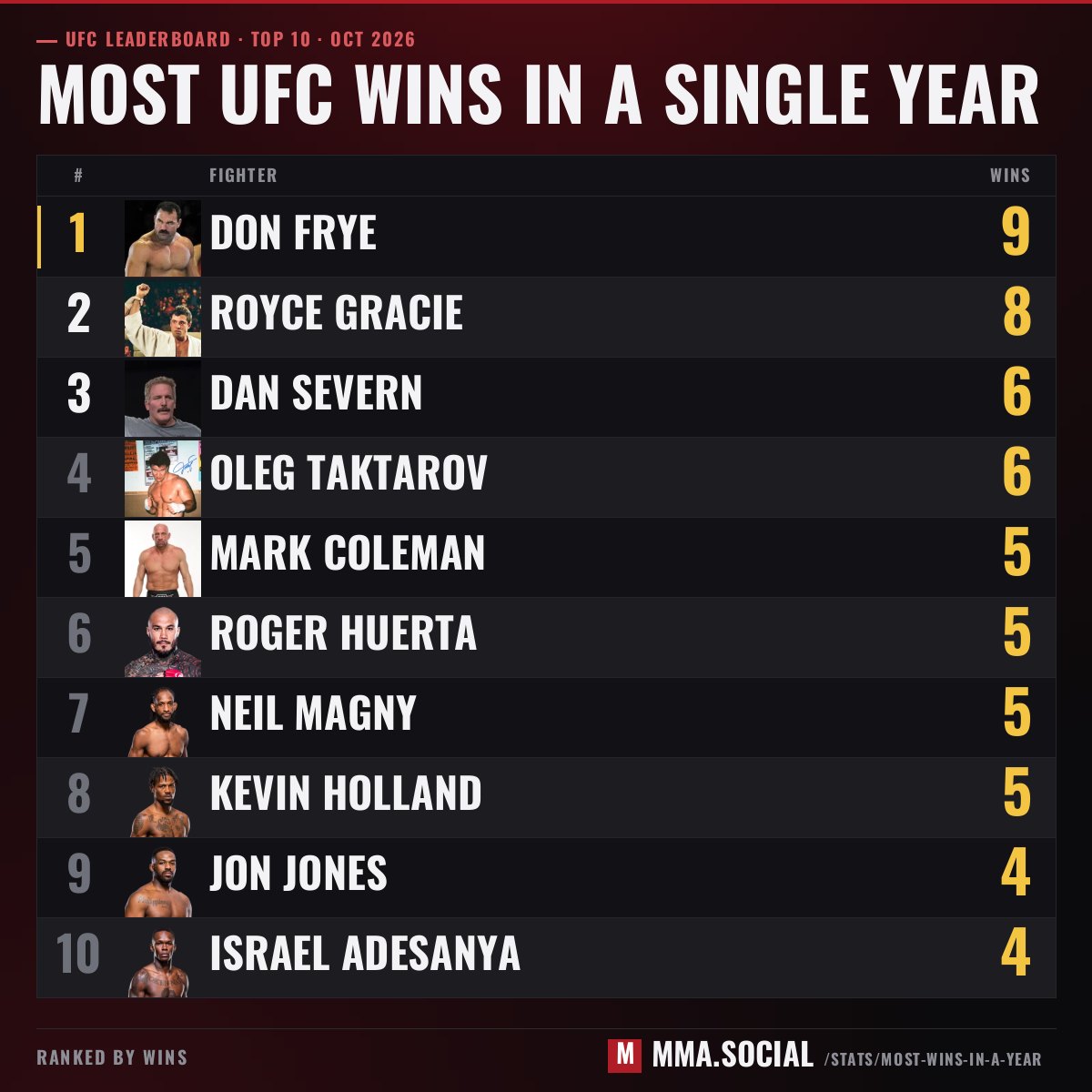
Most UFC Wins in a Single Year - top 10 (MMA.SOCIAL): 1. Don Frye (9), 2. Royce Gracie (8), 3. Dan Severn (6), 4. Oleg Taktarov (6), 5. Mark Coleman (5), 6. Roger Huerta (5), 7. Neil Magny (5), 8. Kevin Holland (5), 9. Jon Jones (4), 10. Israel Adesanya (4)
Most UFC Wins in a Single Year - top 10, updated Oct 29, 2026.
Share image

Most UFC Wins in a Single Year: top 10

The top 10 as one image. Free to share, updated after every UFC card.