Most Active Fighters in UFC History

1
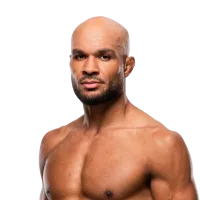
Charles Johnson
Charles Johnson
100 DAYS BETWEEN FIGHTS
2
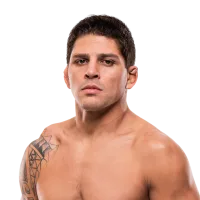
Waldo Cortes Acosta
Waldo Cortes Acosta
104 DAYS BETWEEN FIGHTS
3
Kevin Holland
Kevin Holland
104 DAYS BETWEEN FIGHTS
4
Joshua Van
Joshua Van
110 DAYS BETWEEN FIGHTS
5
Daron Cruickshank
Daron Cruickshank
110 DAYS BETWEEN FIGHTS
6
Donald Cerrone
Donald Cerrone
113 DAYS BETWEEN FIGHTS
7
Cody Brundage
Cody Brundage
116 DAYS BETWEEN FIGHTS
8
Christian Leroy Duncan
120 DAYS BETWEEN FIGHTS
Advertisement
9
Alex Oliveira
Alex Oliveira
121 DAYS BETWEEN FIGHTS
10
Mike Perry
Mike Perry
121 DAYS BETWEEN FIGHTS
11
Brunno Ferreira
Brunno Ferreira
125 DAYS BETWEEN FIGHTS
12
Joaquin Buckley
Joaquin Buckley
126 DAYS BETWEEN FIGHTS
Advertisement
13
Loopy Godinez
Loopy Godinez
126 DAYS BETWEEN FIGHTS
14
Sam Alvey
Sam Alvey
127 DAYS BETWEEN FIGHTS
15
Greg Hardy
Greg Hardy
127 DAYS BETWEEN FIGHTS

Your move

2026 Stats

About Most Active Fighters in UFC History

Days between bouts, including the layoff a fighter is on right now

This board answers one question: how often does this fighter actually fight? For every career we measure the days between bouts — including the layoff they are on right now — and show the result as days per fight. A figure of 100 means one fight roughly every three months, sustained. Lower is busier, so the top of this page is the most active end of the roster.

Time since the last fight counts

The stretch from a fighter's most recent bout to today is added as one more interval. This matters more than it sounds: measuring only the gaps between bouts meant a fighter who had not competed in nine months scored exactly the same as one who fought last week, which is not what anyone means by “most active”. For a fighter still competing the figure moves on its own, every day, until they fight again. A booked fight does not count as a bout, but it does stop the clock: the open stretch is measured to the booked fight night, not past it. For a fighter who has retired or gone inactive the clock stops: their number is a closed book rather than a count of their retirement.

Runs, not career spans

The measurement is taken over active runs rather than end to end. A gap of 36 months or more ends a run and the gap itself is discarded, because that is injury, suspension or a walk-away, and charging it to a fighter describes their bad luck rather than their schedule. Under the old end-to-end method one long absence made a busy fighter look idle for the rest of their career. A lone comeback bout is thrown out entirely, because a run of one has no interval in it — that is the Georges St-Pierre case.

Set your own sample

The page floor is 3 counted bouts, the filter defaults to 10, and it goes from 3 up to 20. This is on purpose. A low floor catches fighters mid-run, which is genuinely interesting and is also only a few bouts of evidence. Push the filter to 15+ and the board becomes a different, slower list of fighters who have held a pace for years. Neither is the right answer on its own, which is why the control is yours rather than ours. Note that the filter counts bouts inside qualifying runs, not a fighter's whole professional record.

Who is not here

Retired and inactive fighters are included. Their figure is a closed book - the clock stopped when their career did - so it cannot drift and there is nothing to hide. What is excluded is a fighter still listed as ACTIVE who has not competed in 36 months, because their clock is running and the number would describe an absence rather than a schedule. The Active and Retired tabs separate the two.

Pace is not quality and nothing here says otherwise. Fighting six times in two years usually means short-notice bouts, fighting outside your best division and taking the matchmaker's pick rather than waiting for the right one, which is why several names near the top have losing UFC records. It measures availability and durability. Read it next to the slowest schedules for the other end, busiest fighters for the single busiest calendar year, days since last fight for the layoffs running right now, and most UFC fights for raw volume. The full collection lives on the UFC stats hub.

Frequently Asked Questions

Which UFC fighter has the shortest average gap between fights?
Charles Johnson, with 100 days between fights. Joint second: Waldo Cortes Acosta and Kevin Holland (104). Counted from UFC bouts recorded on MMA.SOCIAL — UFC appearances only, not a fighter's full professional record.
How is days per fight calculated?
We split a career into active RUNS and measure only inside them. A gap of 36 months or more ends a run, and the gap itself is not counted, because a layoff that long is injury, suspension or a walk-away rather than a schedule. The figure is the total days inside qualifying runs divided by the number of intervals between those bouts. For a fighter still competing, the stretch since their last bout counts too, as one more interval, measured to today - or to fight night when they already have a bout booked, because a fighter stepping in next week is not idle - so a layoff in progress pushes the figure up in real time. A figure of 100 means one fight roughly every three months.
Does a booked fight count?
Not as a bout - only fights that have actually happened count toward the sample. But it does end the current gap: if a fighter already has a bout on the calendar, the stretch since their last fight is measured to fight night rather than today, because their next interval is already known and they are not idle.
Why is there a minimum-fights filter instead of one fixed cut-off?
Because this figure is a ratio, and with no floor the leader is simply whoever has the smallest sample. A fighter needs 3 counted bouts to appear, but the filter opens at 10, so the board you see first is fighters who have held a pace across ten or more bouts. Drop it to 3 or 5 to catch fighters mid-run - a real answer to how often they fight right now, and a thin answer to what they sustain - or raise it to 15+ or 20+ for the fighters who have kept a schedule for years. The filter counts bouts inside qualifying runs, not a whole professional record.
Why do long layoffs not count against a fighter?
Because they answer a different question. Under an end-to-end measurement, a fighter who lost two years to a knee injury reads as idle for the rest of their career, no matter how busy they were before or after. Splitting at 36 months keeps the two halves and throws away the gap, so the number describes the pace they fight at when they are fighting. A run with only one bout in it is discarded entirely - one fight has no interval to measure. That is the Georges St-Pierre case: he returned for Bisping and stopped again, so the comeback contributes nothing. A layoff that is still running is different and does count, because it is the fighter's current schedule.
Are retired fighters included?
Yes. A retired or inactive fighter's figure is a closed book - the clock stopped when they did, so nothing about it can go stale and there is no reason to hide it. Donald Cerrone, one of the busiest fighters the promotion has ever had, is measured that way. What IS excluded is a fighter still listed as active who has not competed in 36 months: their clock is running, so the number would only describe an absence. Use the Active and Retired tabs to see either group on its own.

Every UFC statistics leaderboard

Stats Hub
Most Active Fighters in UFC History - top 10 (MMA.SOCIAL): 1. Charles Johnson (100), 2. Waldo Cortes Acosta (104), 3. Kevin Holland (104), 4. Joshua Van (110), 5. Daron Cruickshank (110), 6. Donald Cerrone (113), 7. Cody Brundage (116), 8. Christian Leroy Duncan (120), 9. Alex Oliveira (121), 10. Mike Perry (121)
Most Active Fighters in UFC History - top 10, updated Oct 28, 2026.
Share image

Most Active Fighters in UFC History: top 10

The top 10 as one image. Free to share, updated after every UFC card.

Which UFC fighter has the shortest average gap between fights?

Charles Johnson, with 100 days between fights.

Joint second: Waldo Cortes Acosta and Kevin Holland (104).

Counted from UFC bouts recorded on MMA.SOCIAL — UFC appearances only, not a fighter's full professional record.